

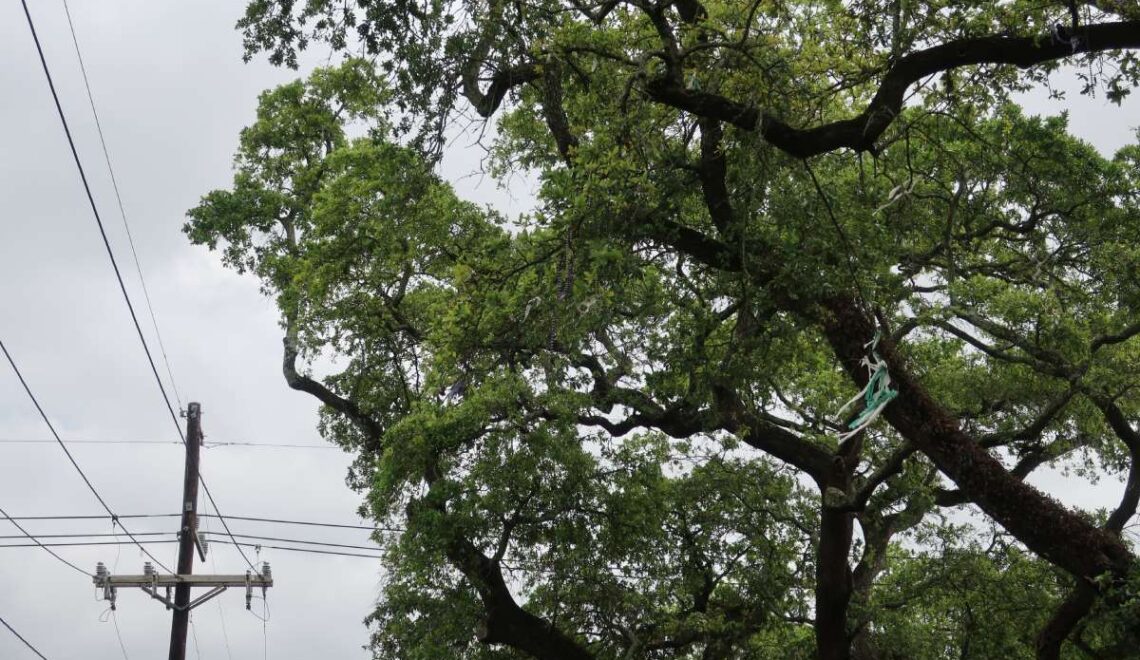
Who Is Responsible for Trees Around Power Lines in Melbourne?
If you’ve ever looked up at a tree brushing against a powerline near your Melbourne home, you’ve probably wondered the same thing most property owners do: is that my problem to fix, or someone else’s? It’s a fair question, and the honest answer is that it depends on exactly where the tree is growing, what kind of line it’s near, and who owns the land underneath it.
Trees near powerlines aren’t just an eyesore or a maintenance headache. They’re a genuine safety risk. Overgrown branches can spark bushfires, cause blackouts, damage infrastructure, and even result in fatal electric shocks. Because the stakes are so high, the management of this vegetation in Victoria is tightly regulated rather than left to guesswork.
Understanding where you sit in that system can save you from fines, liability, and unnecessary risk to your family or neighbours.
You might also read:
- Do you need planning permission for a carport?
- How to keep your plants warm during the winter? Which plants are to be extra careful when winter comes? What plant can survive winter weather?
The Short Answer: It Depends on Location and Line Type
Generally speaking, responsibility for trees near powerlines in Melbourne falls into three broad categories:
- Private property owners are responsible for vegetation on their own land that interferes with the service line connecting their home to the network.
- Electricity distribution businesses are responsible for clearing vegetation around the main powerlines that run along streets, even when the tree itself is growing on private land.
- Local councils typically manage trees on public land such as nature strips, parks, and road reserves, often in coordination with the relevant distributor.
This division exists because Victoria’s electricity network comprises different line types, owned and maintained by different parties, and the rules that apply to each are set out in state-level legislation rather than left to individual choice.
The Regulatory Framework Behind It All
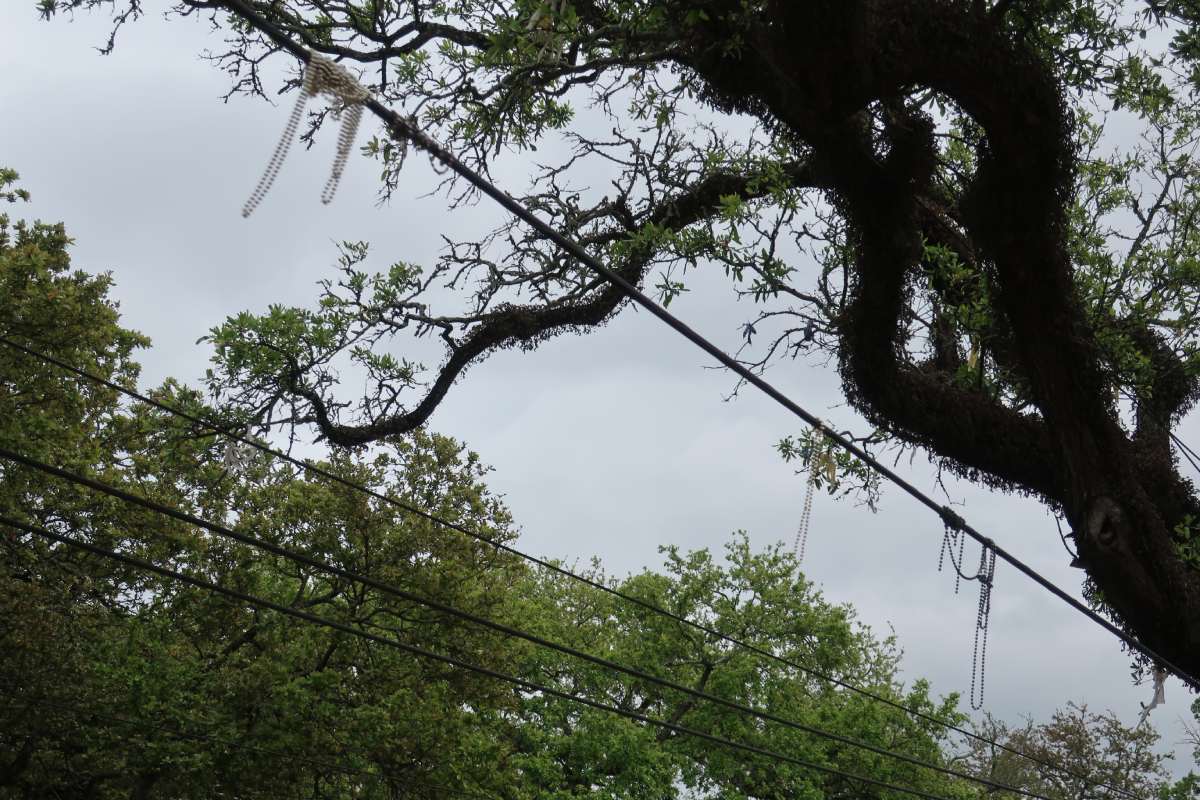
Tree clearance near powerlines in Victoria isn’t governed informally. It sits under the Electricity Safety Act and a dedicated set of regulations, currently being updated through the Electricity Safety (Electric Line Clearance) Interim Regulations, which incorporate the Code of Practice for Electric Line Clearance. This framework sets out minimum clearance distances, inspection schedules, and the obligations of what the legislation calls a “responsible person” — typically a major electricity company, a municipal council, or another organisation that owns or manages relevant infrastructure.
Energy Safe Victoria (ESV) is the body that oversees compliance with this framework. It reviews line clearance management plans submitted annually by distributors and councils, audits their performance, and provides guidance to property owners who aren’t sure who to contact. If you’re ever uncertain about who’s responsible for a specific tree, ESV’s published guidance and your local distributor’s customer service line are the two best starting points.
Your Responsibility as a Homeowner
If a tree on your property is encroaching on the service line that runs specifically from the street to your house, that’s generally your responsibility to manage. The rule of thumb used by Energy Safe Victoria is that vegetation should be kept clear before it grows to within roughly one metre of an insulated service line in any direction. Letting branches creep closer than that isn’t just a compliance issue, it’s a genuine fire and shock hazard.
It’s worth noting that this obligation applies specifically to your service connection, not to every powerline near your property. If a tree on your land is interfering with a line that serves a neighbour, or with the main distribution line running along the street, that responsibility typically shifts to the electricity distributor rather than to you, even though the tree itself is on your title.
This is one of the most common points of confusion for Melbourne homeowners, and it’s exactly the kind of situation where getting professional advice early avoids a much bigger headache later.
When the Distributor Is Responsible
Melbourne is serviced by several electricity distribution businesses depending on the suburb, including CitiPower, Powercor, Jemena, United Energy, and AusNet. These distributors are legally required to prepare and follow an electric line clearance management plan, which includes scheduled inspections and pruning programs along their network. They’re responsible for keeping the main distribution lines clear of vegetation, including trees growing on private property where those trees pose a risk to lines other than your own direct service connection.
If you’ve noticed a tree that’s clearly too close to a street-side powerline, the right move is to contact your distributor directly rather than attempting to deal with it yourself. You can find out which distributor services your address through your electricity bill or via Energy Victoria’s distributor lookup tool.
The Role of Local Councils
Melbourne’s local councils manage a significant volume of street trees, park trees, and nature strip vegetation. Where these trees are near powerlines, councils generally hold their own electric line clearance management plans and contractors who carry out scheduled pruning to maintain compliance with the same state regulations that apply to distributors. Some councils, particularly those in areas with higher bushfire risk or established tree canopy, run more frequent inspections than the minimum required.
If the tree causing concern is on a nature strip, in a park, or along a road reserve, your council is usually the right first point of contact, even if the powerline itself is owned by a distributor.
Why DIY Pruning Near Powerlines Is a Serious Risk
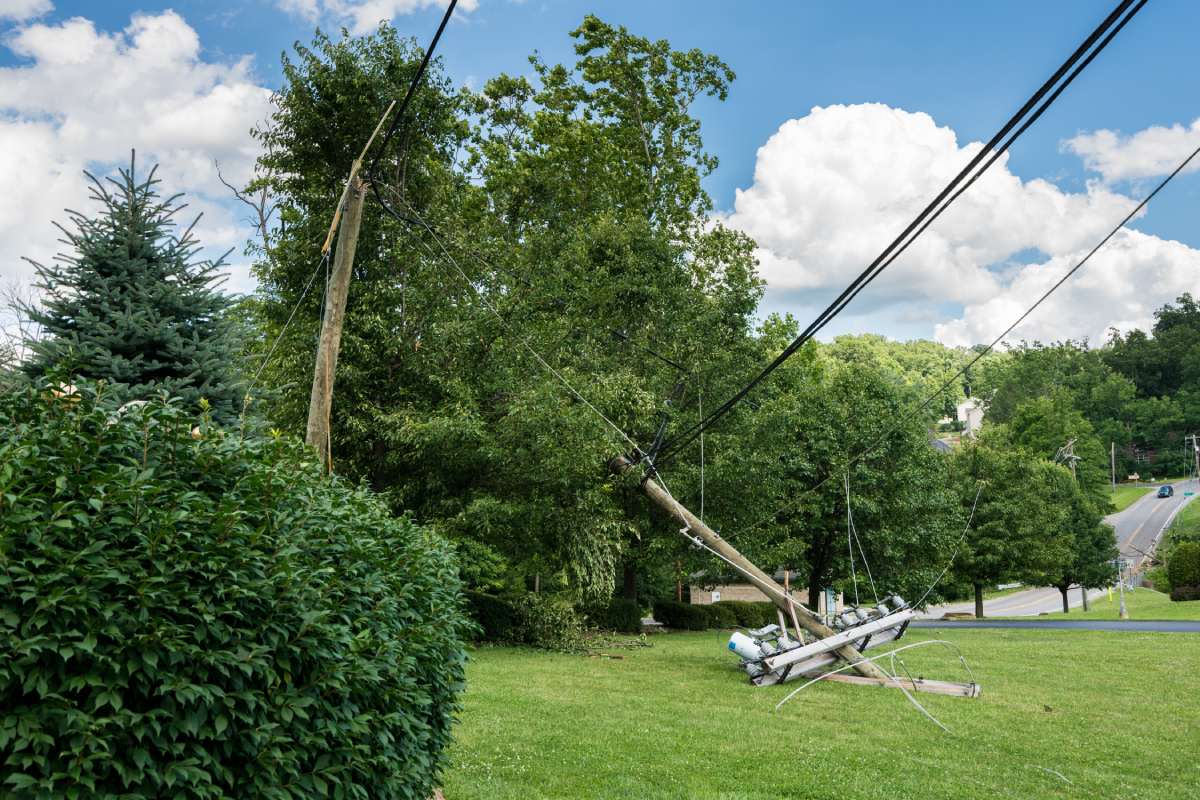
It might be tempting to grab a ladder and a pair of loppers and deal with an overhang yourself, but this is one area where Victorian regulations are unambiguous: working near live powerlines requires specific training and, in most cases, authorisation. The Electricity Safety (General) Regulations set out strict minimum distances for people, tools, and equipment near electric lines, and these aren’t suggestions. Branches can conduct electricity even without direct contact with a wire, and a falling limb can bring down a line entirely.
This is exactly the kind of job that calls for a qualified arborist rather than a confident weekend DIYer. A properly trained arborist understands not just tree biology and pruning technique, but the specific clearance rules, safe work distances, and notification requirements that apply when vegetation is near energised infrastructure. Services like Arborists Melbourne.com specialise in exactly this kind of work, helping homeowners and businesses across the city manage trees safely around powerlines while staying compliant with ESV’s regulatory requirements.
What Happens If Vegetation Isn’t Managed Properly
Ignoring an encroaching tree isn’t a victimless decision. Distributors and councils can issue compliance notices, and in some circumstances, penalties apply if vegetation under a property owner’s control is found to be a hazard. More seriously, if a poorly maintained tree causes a network outage, starts a fire, or causes injury, the property owner can be held liable for damages. In Victoria’s bushfire-prone outer suburbs, especially, this isn’t a hypothetical risk; it’s a recurring cause of real incidents each storm season and fire season.
Regular inspection and proactive pruning, rather than waiting for a problem to develop, is by far the cheaper and safer path. Choosing slower-growing species when planting new trees near service lines, scheduling seasonal check-ups, and acting quickly when a distributor or council flags an issue all go a long way toward avoiding bigger problems down the track.
Getting the Right Advice
Because responsibility shifts depending on exactly where a tree is growing and which line it affects, the safest approach for any Melbourne property owner is simple: when in doubt, ask. Contact your council for trees on public land, your electricity distributor for issues with distribution lines, and a qualified, insured arborist for any pruning or removal work near powerlines on your own property. Getting the right professional involved early is the difference between a routine trim and a costly, dangerous incident.
If you’re unsure where a tree on or near your property sits in this system, a quick consultation with a local arborist experienced in line clearance work is often the fastest way to get a clear answer and a safe outcome.